
The Bear Spirit
Some gifts you buy because they’re needed. This one, you give because it means something.
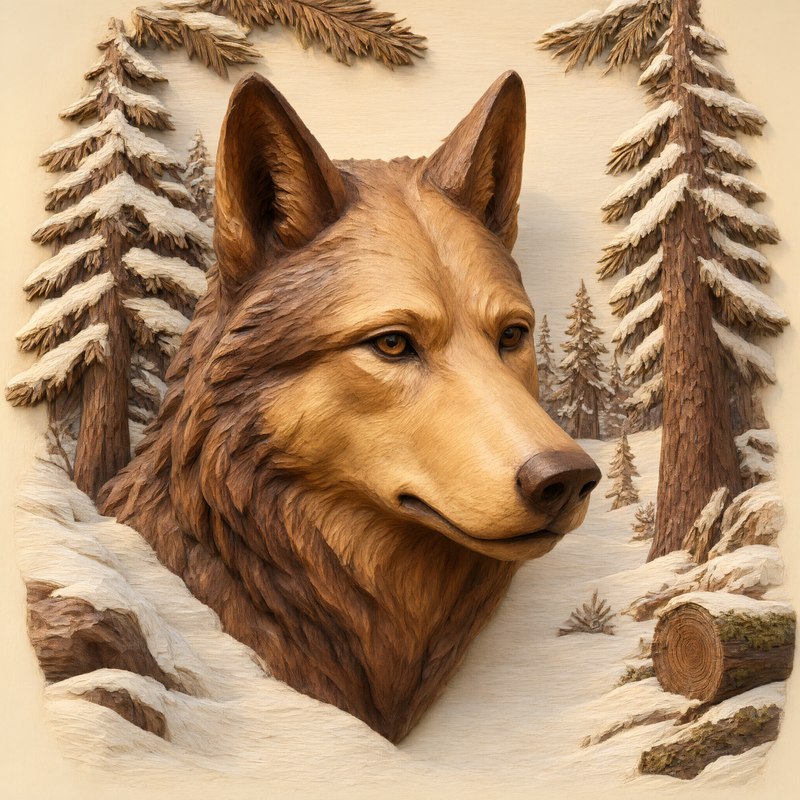
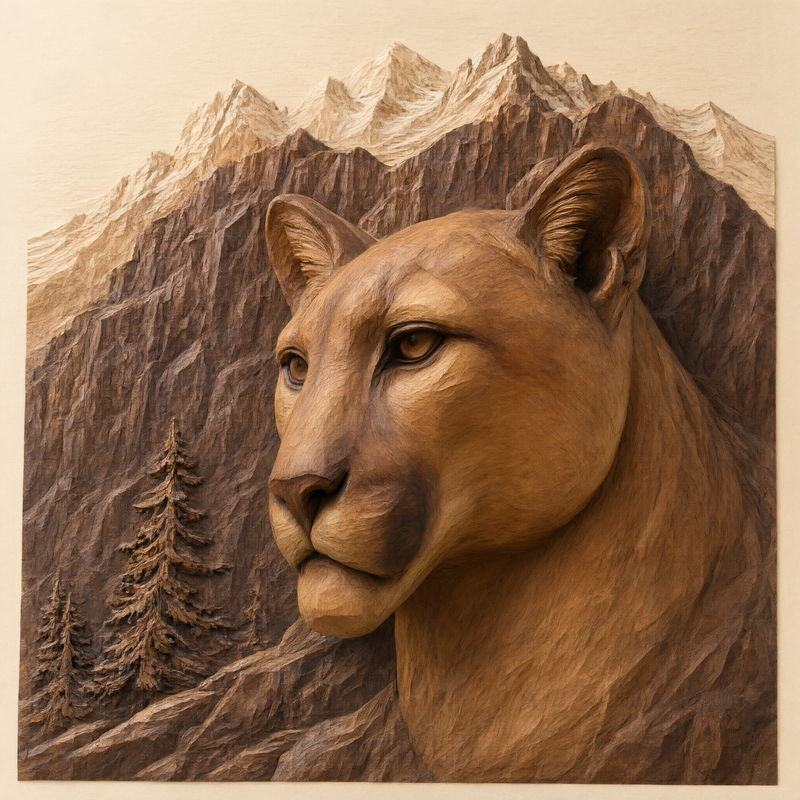
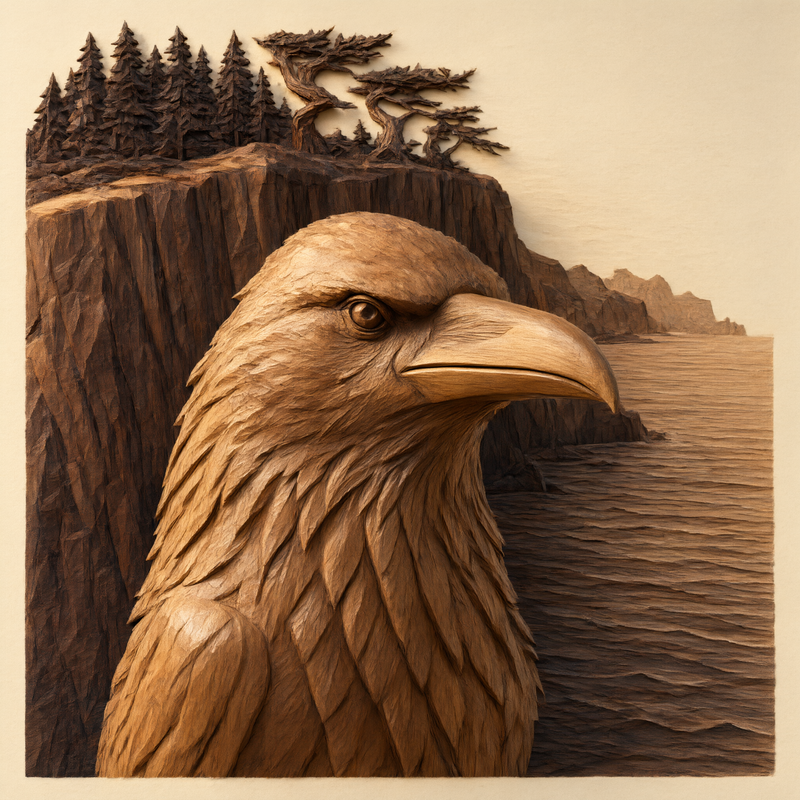
Carvings in this spirit
Each carving has its own page — see the piece, the wood it was carved from, and where it waits.
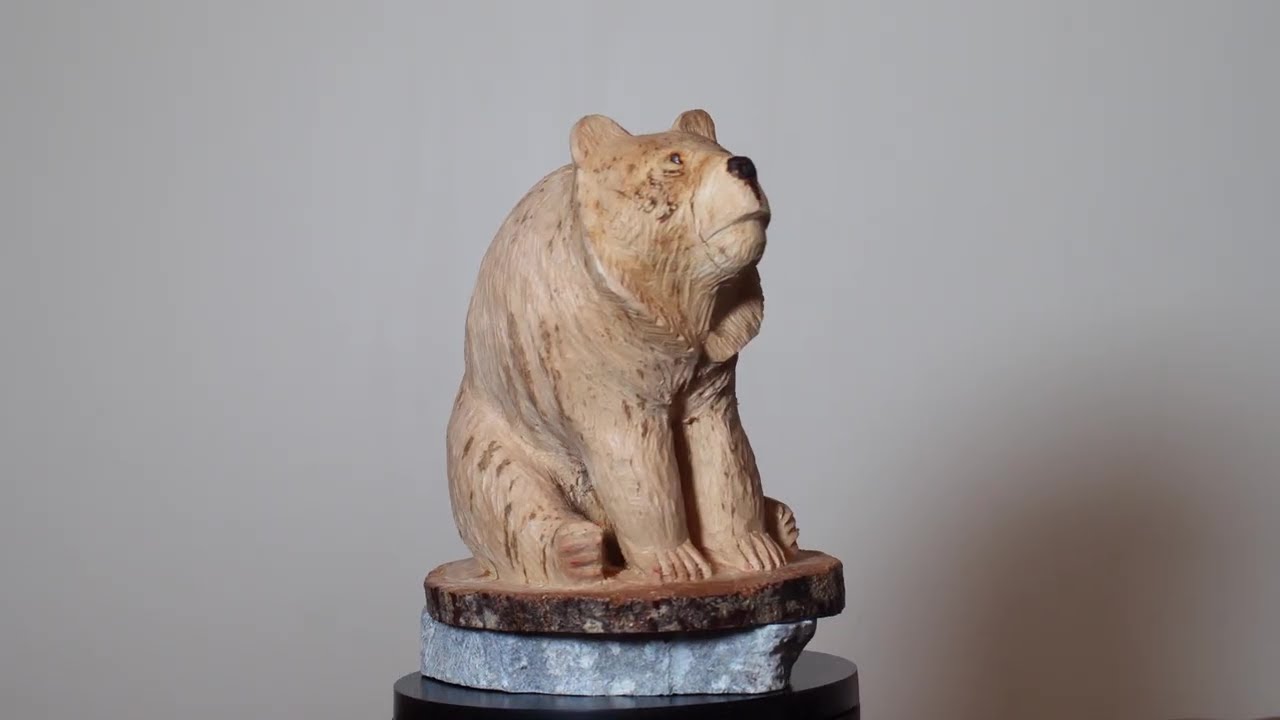
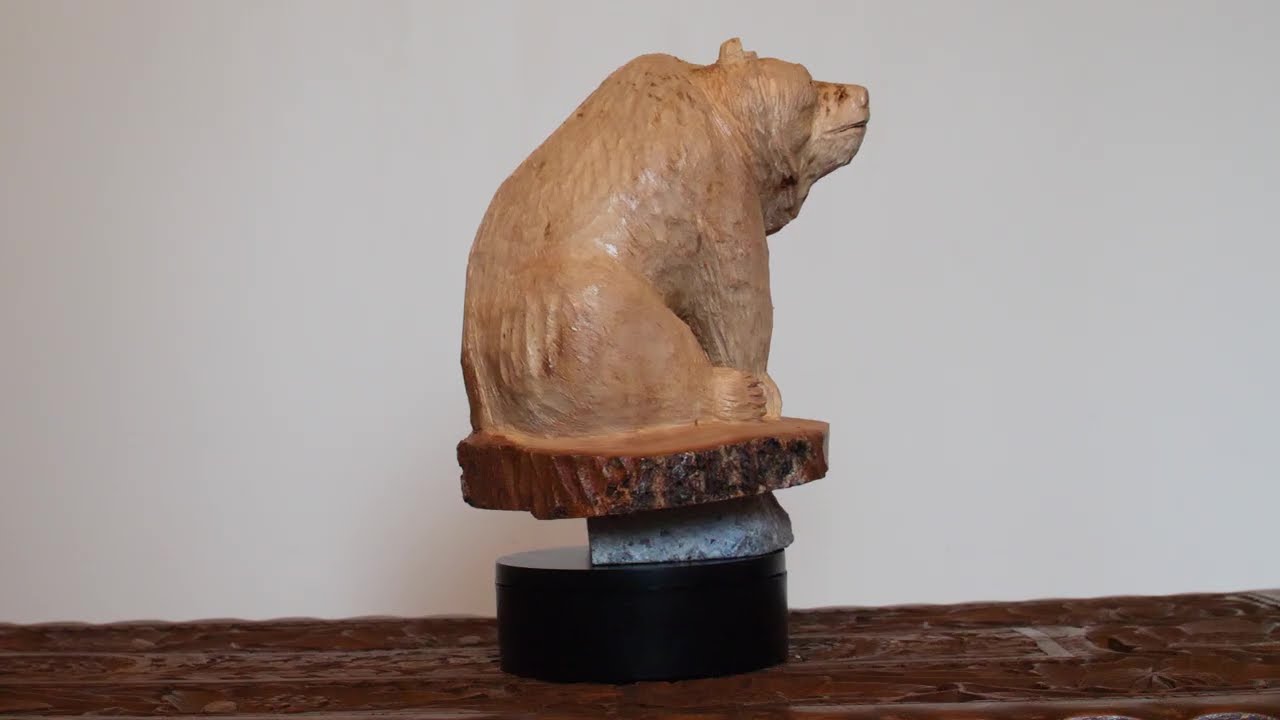
A Spirit Older Than Memory
In the far north, the bear was honoured as kin, not conquest. Across circumpolar and Indigenous northern traditions, the bear was often treated as something close to sacred — met with ceremony, spoken to with respect, its spirit sent home with ritual rather than taken as a trophy.
In Norse and European legend, warriors borrowed the bear’s might. The berserker — literally “bear-shirt” — fought wearing the bear’s strength as armor for the spirit as much as the body. The bear wasn’t rage; it was raw, controlled power.
In Korean founding myth, the bear became the mother of a nation. In the legend of Dangun, a bear endures a long trial in darkness and is transformed into Ungnyeo, who becomes the mother of Korea’s first kingdom. Patience, endurance, and transformation — the bear’s oldest lesson.
The bear still walks through our stories today — the sleeping giant, the mother who will not be moved, the reminder that rest is not retreat. Strip away the centuries, and one thing hasn’t changed: the bear is the spirit of quiet strength and fierce devotion. The guardian who asks for nothing and gives everything.
What Carrying a Bear Spirit Means
- Quiet strength. Power that never needs to raise its voice.
- Renewal. What looks like rest is transformation — the bear’s long winter is never an ending.
- Fierce devotion. The bear protects its own without hesitation or condition.
- Rootedness. Always connected to the land, to memory, to home.
Why the Bear Is the Right Gift
Your friend already has things. What she doesn’t have is a story she can hold in her hand.
The bear, carved by hand in Kootenay wood, is a symbol chosen for the person everyone else leans on — the one who looks after her family without keeping score, who gives freely and rarely asks for anything back. She is the healer of her people, the protector of her own. The bear has always stood for her.
And there’s a second layer underneath the symbol: the carving itself is Kootenay wood, grown in the orchards and shaped by hand — the same way the bear has always stayed connected to the land, to its roots, to home. The meaning and the material are doing the same work.
It isn’t just a carving. It’s a quiet strength she can keep close.
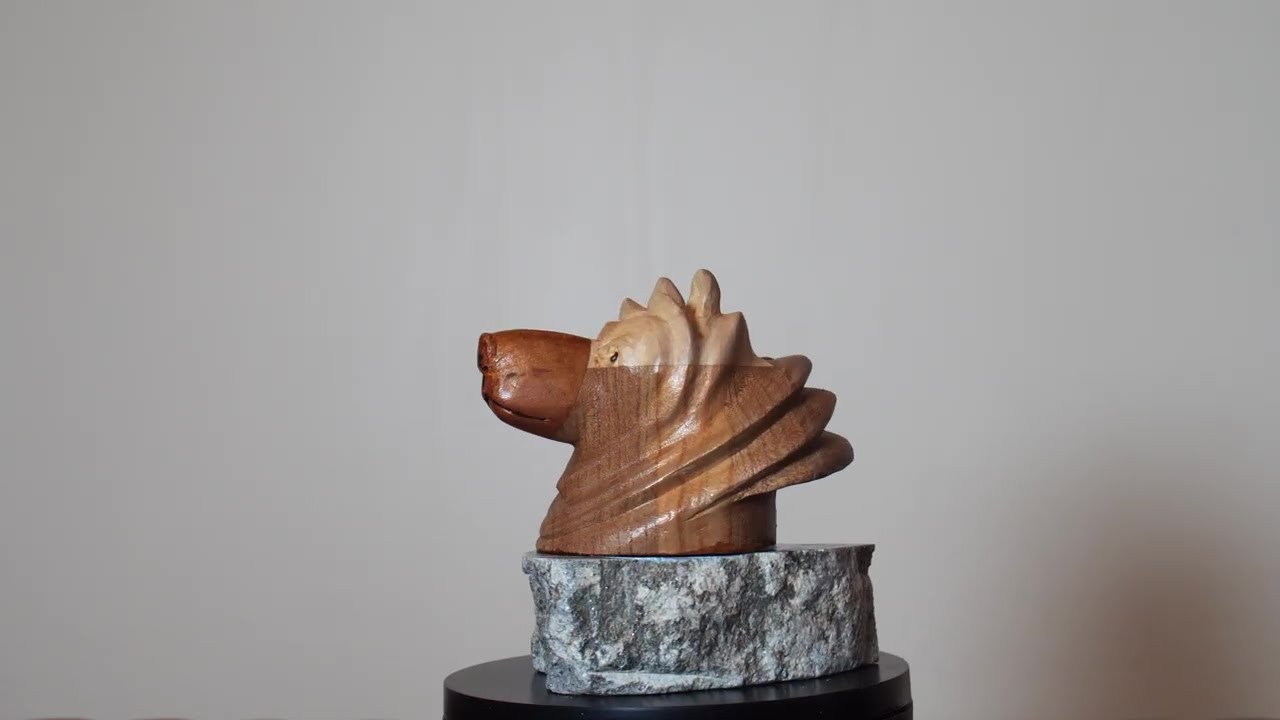
A bear-spirit carving, held close by the strength of the healer.